What does “hilltop living” really mean in Newport Coast? If you are exploring this part of Newport Beach, you are probably trying to picture more than a map pin. You want to know how the setting feels, how the communities differ, and whether the lifestyle matches what you want day to day. This guide will help you understand what defines Newport Coast’s hilltop communities, from their elevated setting and gated enclaves to nearby outdoor access, shopping, and everyday amenities. Let’s dive in.
What Makes Newport Coast Hilltop Living Distinct
Newport Coast is not one single neighborhood. It is a planned coastal district within Newport Beach that stretches from the Pacific Ocean up to the ridge of the San Joaquin Hills. City planning materials describe it as a 9,493-acre planned community with about 3.5 miles of shoreline, along with a coastal shelf, hillsides, ridges, and canyon systems.
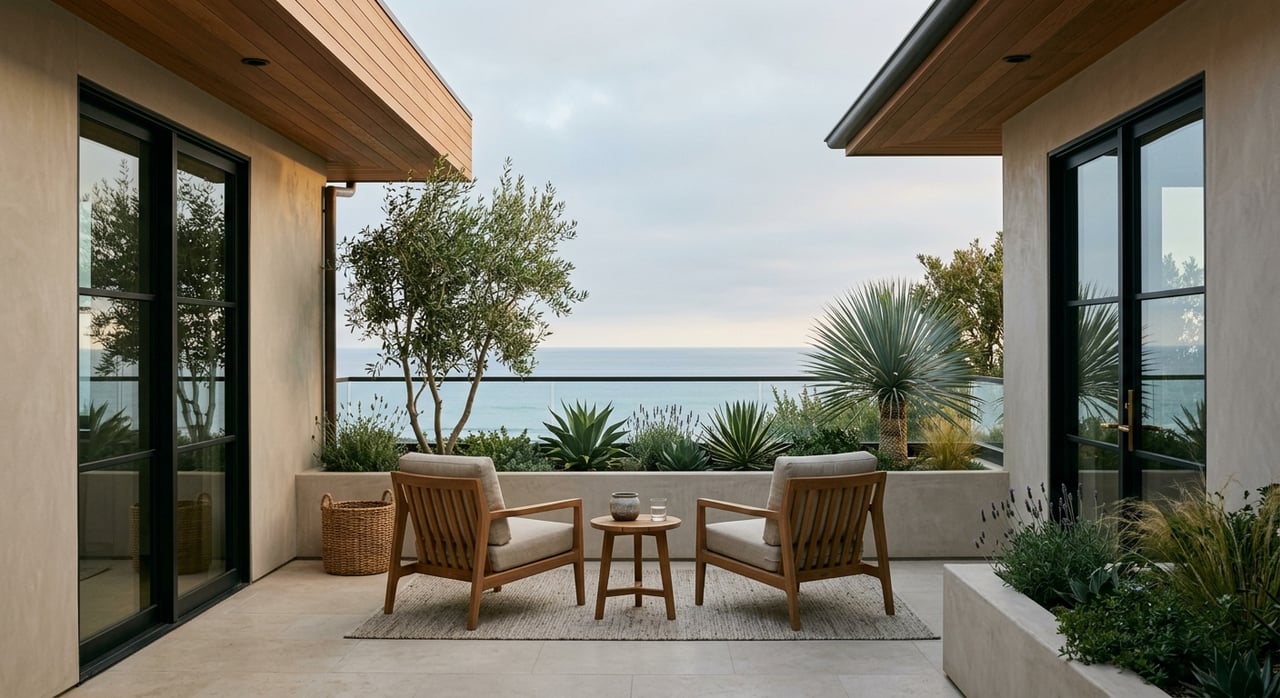
That geography shapes the entire living experience. In simple terms, Newport Coast’s hilltop communities sit on elevated land inland of Pacific Coast Highway rather than directly at beach level. The result is a setting built around views, ridgelines, open space, and a more tucked-away feel than you may find in denser coastal districts.
The city’s planning approach also emphasizes clustered residential development that preserves open space and reduces grading impacts. That helps explain why many parts of Newport Coast feel visually open and carefully composed, with homes, landscaping, and common areas designed to work with the terrain.
How the Communities Are Organized
One of the first things buyers notice is that Newport Coast does not feel uniform. The area is made up of multiple sub-associations and residential enclaves rather than one single master neighborhood with a consistent look and layout. That structure creates a collection of distinct pockets across the hills.
City mapping and association planning documents identify communities and gate-related areas such as Pelican Hill, Pelican Crest I and II, Pelican Ridge Estates and Maintenance, Pelican Heights, Ocean Ridge, Coastal Canyon, Ocean Heights, Crystal Cove, Ziani, Pacific Ridge, and Newport Ridge Estates at Newport Coast.
That matters because one address can offer a very different experience from another. Some enclaves feel more resort-oriented, while others feel more residential and private. Some sit closer to the Crystal Cove side of the community, while others are centered around ridgelines, golf edges, or interior hillside streets.
A Gated, Maintained Environment
Many of Newport Coast’s hilltop communities are built around controlled-entry design and shared common areas. Association planning in the area centers on practical features such as gates, walls, clubhouses, parks, pool areas, landscaping, lighting, and signage.
For you as a buyer or homeowner, that often translates to a more managed environment. Streets may feel quieter, common areas are maintained, and the overall presentation tends to be polished and intentional. It is a different experience from an open-grid coastal neighborhood with more through traffic.
Views and Architecture Shape the Experience
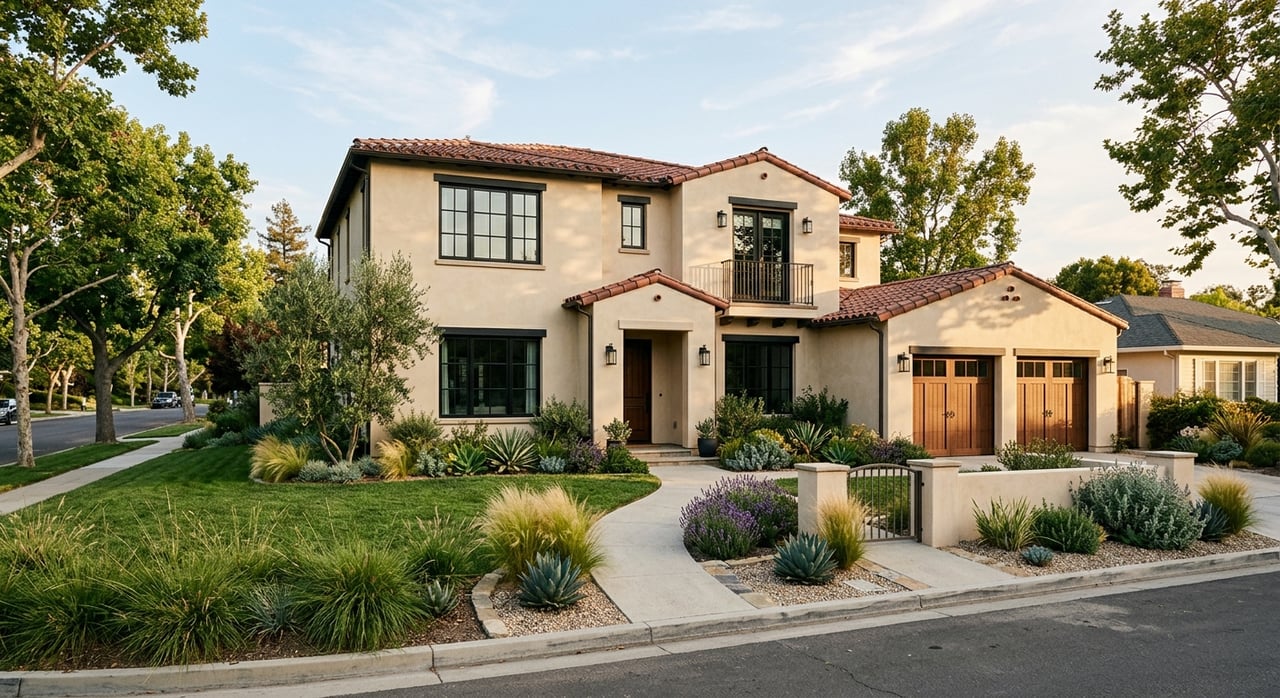
Newport Coast’s visual character is closely tied to the Pelican Hill landscape and the area’s broader planning vision. City planning materials note that the resort area was designed with architecture derived from Mediterranean hillside communities. Pelican Hill’s own historical description draws inspiration from Northern Italian and Italian Renaissance design.
You can see that influence in the way the community reads as a whole. The setting is not just about large homes or luxury finishes. It is about how terraces, rooflines, landscaping, golf-course edges, and open-space corridors relate to the hillsides and ocean-facing topography.
That gives many hilltop neighborhoods a curated, view-focused feel. Instead of a flat subdivision pattern, you get a layered environment shaped by elevation, terrain, and long sightlines.
Daily Amenities Close to Home
When people think of Newport Coast, Pelican Hill is often the first landmark that comes to mind. The resort spans 504 acres and includes 36 holes of golf with ocean views, along with villas, dining, spa services, and shops. It plays a major role in the area’s identity and helps define the resort-caliber atmosphere many buyers associate with Newport Coast.
But day-to-day living here is not only about destination amenities. Newport Coast also has a city community center on San Joaquin Hills Road. The city lists room rentals and a gymnasium there, with lines for basketball, volleyball, and pickleball.
That is a useful reminder if you are evaluating the area for full-time living. Alongside private and association-based amenities, there is also civic infrastructure that supports regular routines, recreation, and community programming.
Outdoor Access Is a Major Part of Life Here
One of the biggest advantages of Newport Coast’s hilltop setting is how close you are to major outdoor spaces. Crystal Cove State Park is a defining nearby amenity, with 3.2 miles of beach and 2,400 acres of backcountry wilderness. The park offers hiking, biking, horseback riding, tidepools, and a Bluff Top Multi-Use Trail.
That means your lifestyle here can include much more than ocean views from above. You are also near meaningful access to beach days, trails, and open land. For many buyers, that balance of scenery and recreation is a big part of the appeal.
City trail mapping also points to local routes that support everyday outdoor use. Newport Ridge Trail is listed at 1.73 miles with ocean views in the distance, and Buck Gully Trail is a 3.41-mile canyon route through habitat and recreational open space.
Shopping and Dining Nearby
Even though Newport Coast feels elevated and secluded in many places, it still sits close to well-known coastal conveniences. Fashion Island is nearby and describes itself as Orange County’s coastal lifestyle destination, with more than 150 shopping and culinary experiences.
The Crystal Cove Shopping Center is another major draw. It combines ocean-view surroundings with a mix of national retailers, designer boutiques, and restaurants. That proximity helps balance the more private, hillside character of Newport Coast with easy access to dining, errands, and shopping.
For many residents, that is part of what makes the area work so well. You can feel removed from the busiest beach zones while still being a relatively short drive from everyday conveniences and destination retail.
What the Lifestyle Feels Like Day to Day
The best way to think about Newport Coast’s hilltop communities is as a tradeoff that many buyers actively want. You gain privacy, scenery, and a stronger sense of retreat. In exchange, the day-to-day experience is more layered and hillside-oriented than a flat, walkable beach district.
Planning materials show a landscape built around ridges, canyons, clustered residential areas, and roads that step down toward Pacific Coast Highway. So if you are expecting a beachfront village where everything is right outside your door, Newport Coast may feel different from that picture.
For the right buyer, that difference is the point. The area offers view corridors, separation, and a more secluded setting above the shoreline. It can feel less like a conventional suburb and more like a collection of carefully planned enclaves.
What Types of Homes You May Find
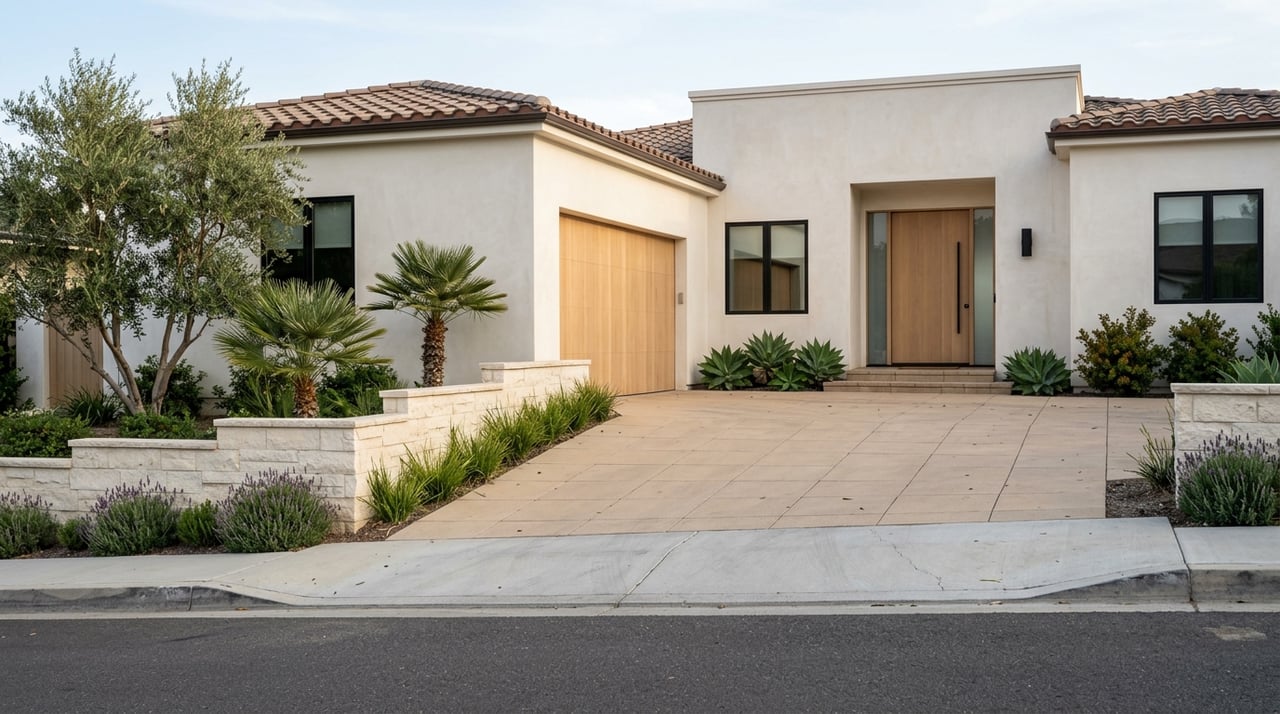
Home styles in the broader Newport Coast planned community include luxury detached homes, resort-style villas, and some attached or condominium forms. City planning documents specifically reference detached single-family dwellings, clustered residential use, condominiums, and resort accommodations.
That means there is variety within the area, even though the overall market is strongly associated with upscale living. Some buyers may be drawn to larger detached homes, while others may prefer a lower-maintenance villa or attached residence within the same broader setting.
The common thread is consistency in environment. Across different home types, Newport Coast tends to deliver a carefully planned backdrop tied to open space, architecture, and elevated views.
Who Newport Coast Hilltop Living Fits Best
If you value a setting that feels private, scenic, and intentionally designed, Newport Coast may check a lot of boxes. The area is especially appealing if you want access to outdoor recreation, coastal shopping and dining, and a polished residential environment without being directly in the middle of a busier beach district.
It can also be a strong fit if you appreciate neighborhood distinctions and want help understanding how one enclave compares with another. In Newport Coast, those differences matter. A buyer who takes time to match lifestyle priorities with the right pocket of the community is often better positioned to make a confident decision.
If you are considering a move to Newport Coast, working with someone who understands both the nuances of the hilltop communities and the broader Newport Beach market can make your search much more focused. If you would like personalized guidance on Newport Coast neighborhoods, homes, or lifestyle fit, connect with Judith Garby.
FAQs
What is the setting of Newport Coast’s hilltop communities?
- Newport Coast’s hilltop communities are located on elevated land inland of Pacific Coast Highway, within a planned coastal district of Newport Beach that includes hillsides, ridges, canyons, open space, and shoreline areas.
What kinds of neighborhoods make up Newport Coast?
- Newport Coast is made up of multiple sub-associations and enclaves, including communities associated with Pelican Hill, Pelican Crest, Pelican Ridge, Pelican Heights, Ocean Ridge, Coastal Canyon, Ocean Heights, Crystal Cove, Ziani, Pacific Ridge, and Newport Ridge Estates.
What architectural style is common in Newport Coast?
- Planning materials tie the area’s resort and hillside design to Mediterranean-inspired architecture, with a strong emphasis on how homes, terraces, and landscaping fit the terrain and view corridors.
What amenities are near Newport Coast homes?
- Nearby amenities include Pelican Hill’s golf, dining, spa services, and shops, along with the Newport Coast Community Center, which offers room rentals and a gymnasium lined for basketball, volleyball, and pickleball.
What outdoor recreation is close to Newport Coast?
- Residents are close to Crystal Cove State Park, which includes 3.2 miles of beach and 2,400 acres of backcountry wilderness, plus local trails such as Newport Ridge Trail and Buck Gully Trail.
Is Newport Coast walkable to the beach?
- Newport Coast is designed more as an elevated hillside community than a flat beachfront district, so the lifestyle is generally more car-oriented and centered on privacy, views, and access rather than direct beach-level walkability.
What home types are available in Newport Coast?
- The planned community includes detached single-family homes, clustered residential development, condominiums, and resort-style accommodations, with an overall focus on upscale living and architectural consistency.