Trying to choose between a condo and a single-family home in Irvine? You are not alone. For many buyers, this decision comes down to more than price. It affects your monthly costs, maintenance responsibilities, privacy, and even how you experience daily life in Irvine’s village-style communities. If you want a clearer way to compare your options, this guide will help you look at the tradeoffs that matter most. Let’s dive in.
Irvine housing choices start with lifestyle
Irvine was planned to offer a wide range of housing choices across its villages, with homes placed near parks, open space, retail, restaurants, job centers, transportation, and other everyday destinations. That matters because a condo in one village can feel very different from a condo in another, and the same is true for detached homes.
The city’s planning documents also show how much outdoor infrastructure shapes daily life here. Irvine reports 22 community parks, 39 neighborhood parks, 113.24 miles of off-street bikeways, 286.42 lane miles of on-street bikeways, and 16,000 acres of open-space preservation areas. If access to trails, parks, or bike routes matters to you, village location may carry as much weight as property type.
Irvine prices show a real gap
Current market data highlights why this choice is so important. As of May 2026, Irvine’s median sale price was $1,524,088 overall, and homes averaged 42 days on market.
When you break that down by property type, the spread becomes clearer.
| Property type | Median sale price in Irvine |
|---|---|
| Single-family home | $1,998,984 |
| Condo/co-op | $1,285,763 |
| Townhouse | $1,235,243 |
For many buyers, that gap is large enough to change what feels realistic. A detached home may offer more space and control, but attached housing can lower your entry price into Irvine.
Legal structure matters in California
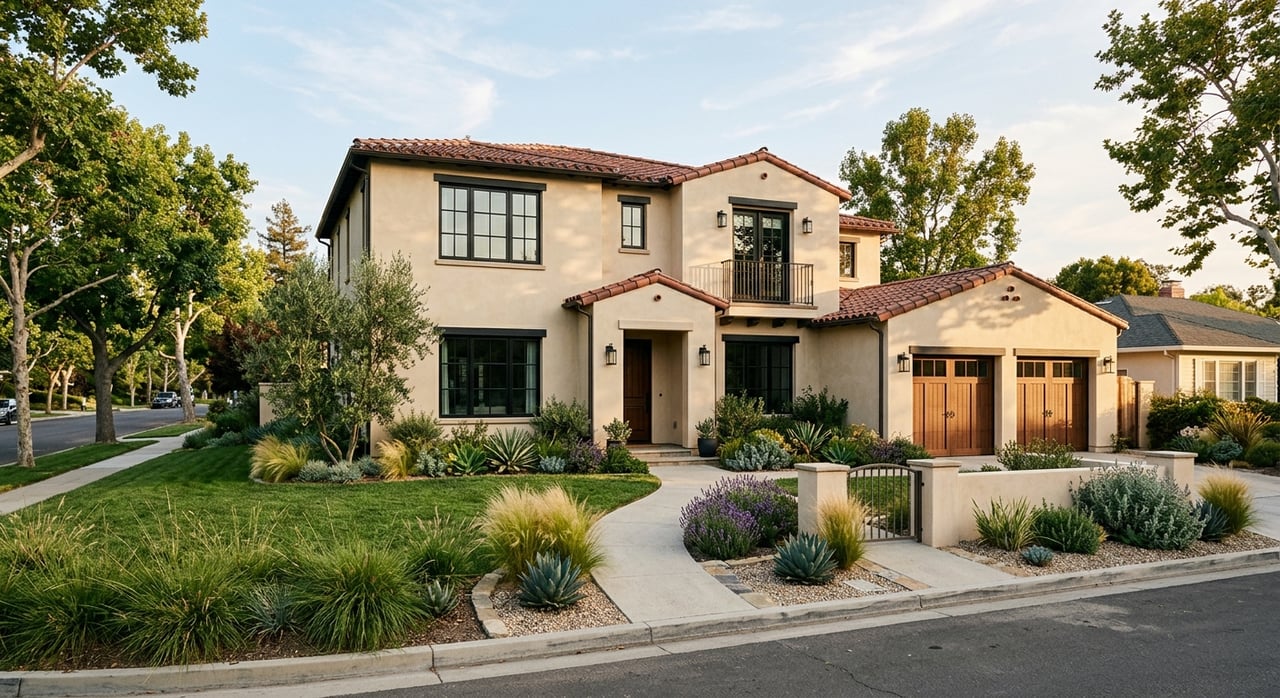
One of the biggest mistakes buyers make is assuming the exterior tells the whole story. In California, condo is a legal ownership term, while townhome is an architectural description. A home can look like a townhome or even a detached house, but its legal structure may still place it inside a common-interest development.
That means you should not judge ownership, maintenance, or rules based only on curb appeal. In Irvine, attached and detached homes can be set up in different legal forms, and those details affect what you own, what the HOA manages, and what monthly dues may cover.
A detached home may still have an HOA
Many buyers assume a single-family home means complete independence. In Irvine, that is not always true. California’s Department of Real Estate explains that many planned developments include detached homes with HOAs, especially when there are private streets or common areas to maintain.
In some cases, private yards, driveways, or parking spaces may even be designated as exclusive-use common area. That is why it is so important to confirm exactly what comes with the property before you make a decision.
What HOA dues and rules can mean
In California, HOAs make and enforce rules, collect dues and assessments, and are usually run by an elected board. For buyers, this means your monthly payment may include more than just your mortgage, property taxes, and insurance.
You also need to understand what the HOA covers and what it does not. Depending on the community, dues may help pay for common area maintenance and other shared costs, while special assessments can create additional expenses. For new subdivisions, the public report is meant to disclose CC&Rs, HOA costs, and assessments before you become obligated to purchase.
Questions to ask about an Irvine HOA
Before you choose a condo or detached home, ask:
- What do the monthly dues cover?
- Are there special assessments now or planned?
- Who maintains the roof, exterior, and shared areas?
- Are streets public or private?
- What do the CC&Rs restrict?
- Are there extra district charges tied to the community?
These questions can help you compare two homes that may look similar on paper but feel very different in monthly cost and ownership responsibility.
Irvine villages can change the equation
In Irvine, the village often shapes the experience as much as the floor plan. Developer materials show that communities such as Eastwood Village, Portola Springs, and Cypress Village have offered a mix of townhomes or flats alongside single-family homes. Orchard Hills has also paired townhomes with single-family homes in a hills and open-space setting.
This mix gives you more flexibility, but it also means you should compare options within the same village when possible. That way, you can isolate the difference between attached and detached living without changing too many lifestyle variables at once.
Great Park communities have added layers
The Great Park area adds another factor. Residents of Beacon Park, Cadence Park, Luna Park, Novel Park, Parasol Park, Pavilion Park, Rise Park, Solis Park, and Altair receive priority access and discounts to selected Great Park amenities because they contribute to a Community Facilities District.
That can be a real benefit if you value those amenities, but it is also a cost item you need to understand. When comparing homes in this area, ask how district charges affect your total monthly or annual ownership costs.
When a condo may be the better fit
A condo can make sense if your top priority is a lower entry price compared with detached housing in Irvine. It can also appeal to buyers who want more of a lock-and-leave lifestyle and less direct exterior upkeep.
That said, condo living usually means shared walls, HOA dues, and community rules. If you travel often, want simpler maintenance, or are focused on getting into Irvine at a lower price point, a condo may check the right boxes.
Condo buyers should weigh total monthly cost
Do not stop at the sale price. A lower purchase price can still come with dues, assessments, and insurance considerations that affect your real monthly budget.
That is why a side-by-side payment comparison matters. In some Irvine communities, the better value comes from the option with the strongest mix of price, dues, and upkeep responsibilities rather than the lowest sticker price.
When a single-family home may be worth it
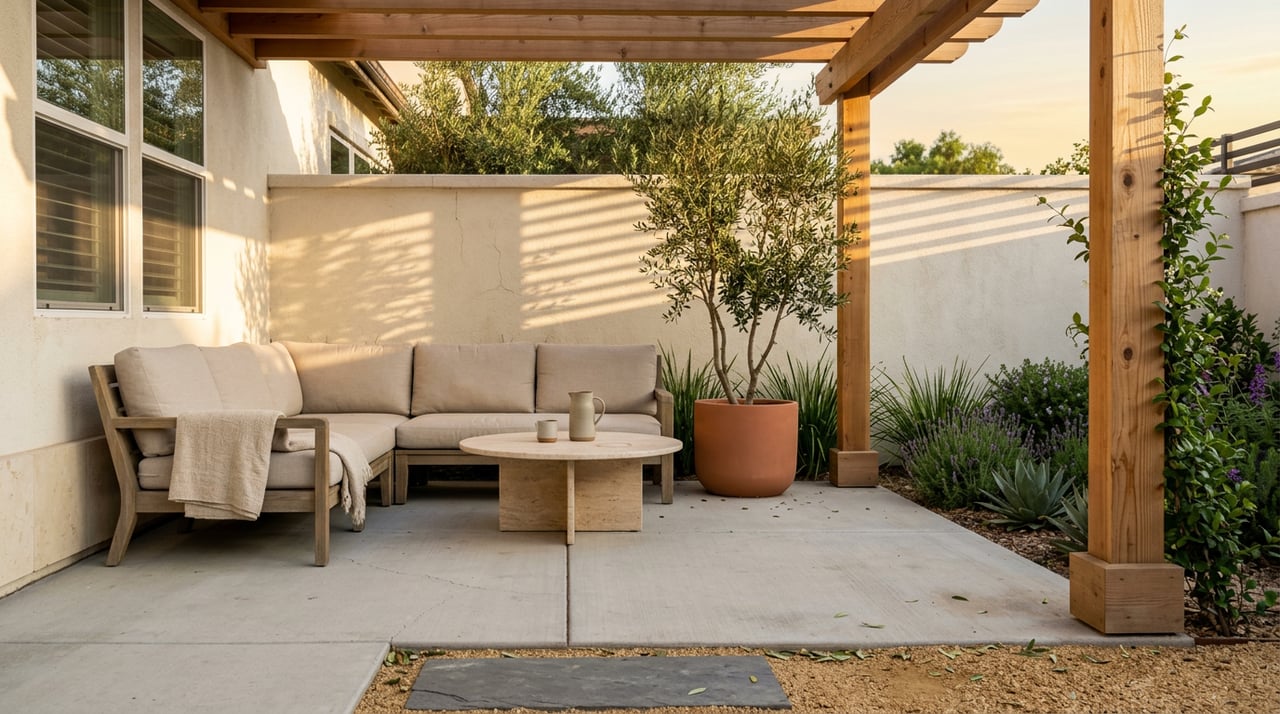
A single-family home often appeals to buyers who want more privacy, yard space, and control over how they use their property. If you expect to spend a lot of time outdoors or simply want more separation from neighbors, a detached home may feel like the better long-term fit.
You should also be ready for a higher Irvine price point and more hands-on maintenance. Even if the home is detached, it may still be part of a planned development with HOA rules, so privacy and control are not always absolute.
Detached does not always mean simpler
Some buyers assume a house will automatically mean fewer restrictions. In reality, a detached home in Irvine can still come with HOA oversight, private street maintenance, and shared-community obligations.
That is why the better question is not just “condo or house?” It is “what do I own, what do I maintain, and what will this cost me each month?”
Don’t overlook fire zones and outdoor access
Irvine’s outdoor assets are a major draw, but they should also be part of your due diligence. The city’s open-space preserve protects native habitat, and many buyers value proximity to trails, parks, and bikeways.
At the same time, the updated 2025 fire hazard severity map expanded into parts of Orchard Hills, Woodbury, Portola Springs, Quail Hill, Turtle Rock, Laguna Altura, Los Olivos, and Irvine Spectrum. If you are considering a home near open-space edges or hillside areas, confirm whether the property sits in a fire-hazard zone and understand how that may affect your planning.
A simple way to decide
If you are weighing condos against single-family homes in Irvine, use this framework:
- Choose a condo if you want a lower entry price, less direct exterior maintenance, and a more lock-and-leave lifestyle.
- Choose a single-family home if privacy, yard space, and greater day-to-day control matter most to you.
- Compare total monthly cost, not just price, including dues, assessments, and any district-related charges.
- Verify ownership and maintenance details instead of relying on how the home looks from the outside.
- Evaluate the village fit, including access to parks, trails, retail, commute routes, and other daily needs.
- Check whether the home is in an updated fire-hazard area and factor that into your decision.
In Irvine, the smartest choice usually comes down to your stage of life, your budget, and the specific village you want to live in. A condo and a detached home can both be excellent options if the ownership structure and monthly cost profile fit the way you want to live.
If you want patient, data-driven guidance as you compare Irvine homes, Judith Garby can help you evaluate the numbers, the neighborhoods, and the fine print so you can move forward with confidence.
FAQs
What is the difference between a condo and a single-family home in Irvine?
- In Irvine, a condo is a legal ownership form in California, while a single-family home refers to a detached housing type. A detached home may still be part of an HOA community, so you should verify the legal structure and maintenance responsibilities.
Are Irvine single-family homes always free of HOA dues?
- No. Many detached homes in planned developments can still have HOA dues, rules, common areas, private streets, or other shared maintenance obligations.
How much more expensive are single-family homes than condos in Irvine?
- As of May 2026, the median sale price was $1,998,984 for single-family homes and $1,285,763 for condo/co-ops in Irvine, according to current market data cited in the research.
What should Irvine buyers ask about HOA costs?
- You should ask what dues cover, whether there are special assessments or district charges, who maintains the roof and streets, and what the CC&Rs restrict.
Which Irvine areas mix attached and detached homes?
- Research cited for this article notes that Eastwood Village, Portola Springs, Cypress Village, and Orchard Hills have offered a mix of attached and detached housing types.
Why do Great Park communities require extra review from buyers?
- Great Park communities can include Community Facilities District costs, and residents in certain neighborhoods receive priority access and discounts to selected amenities because they contribute to that district.
How do fire-hazard zones affect an Irvine home search?
- Buyers should confirm whether a home is in an updated fire-hazard area, especially in communities named in the city’s 2025 map update, and factor that into their property evaluation.