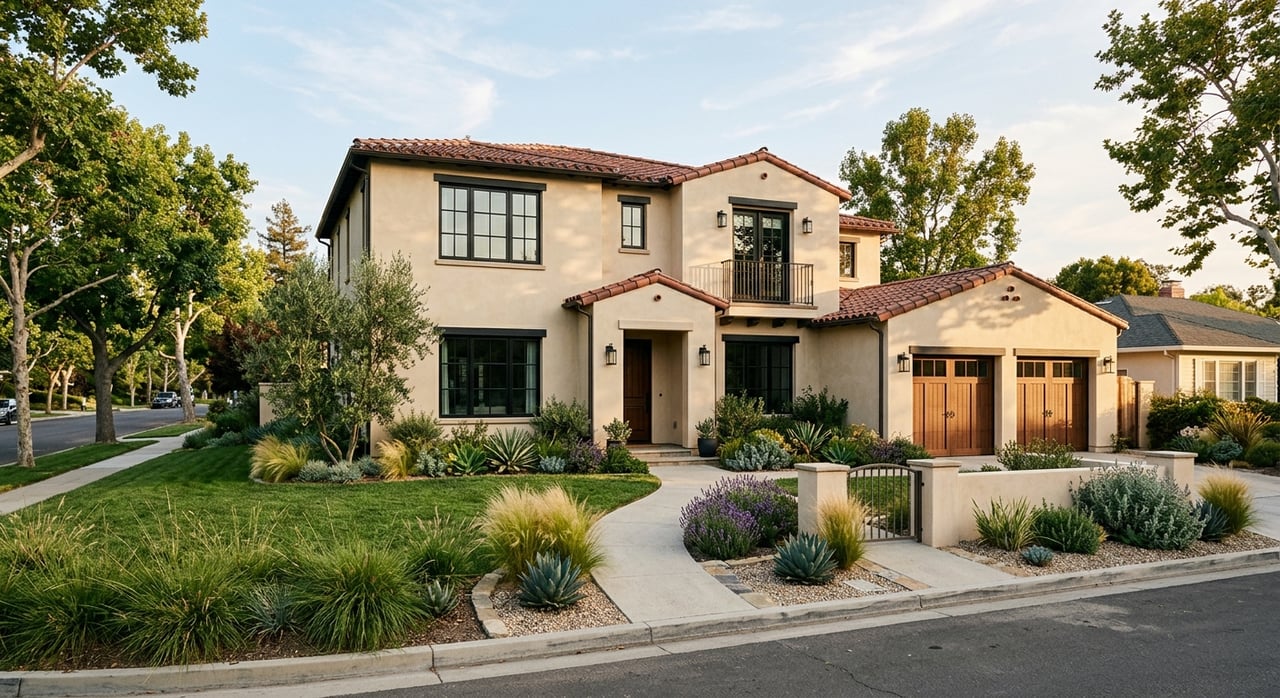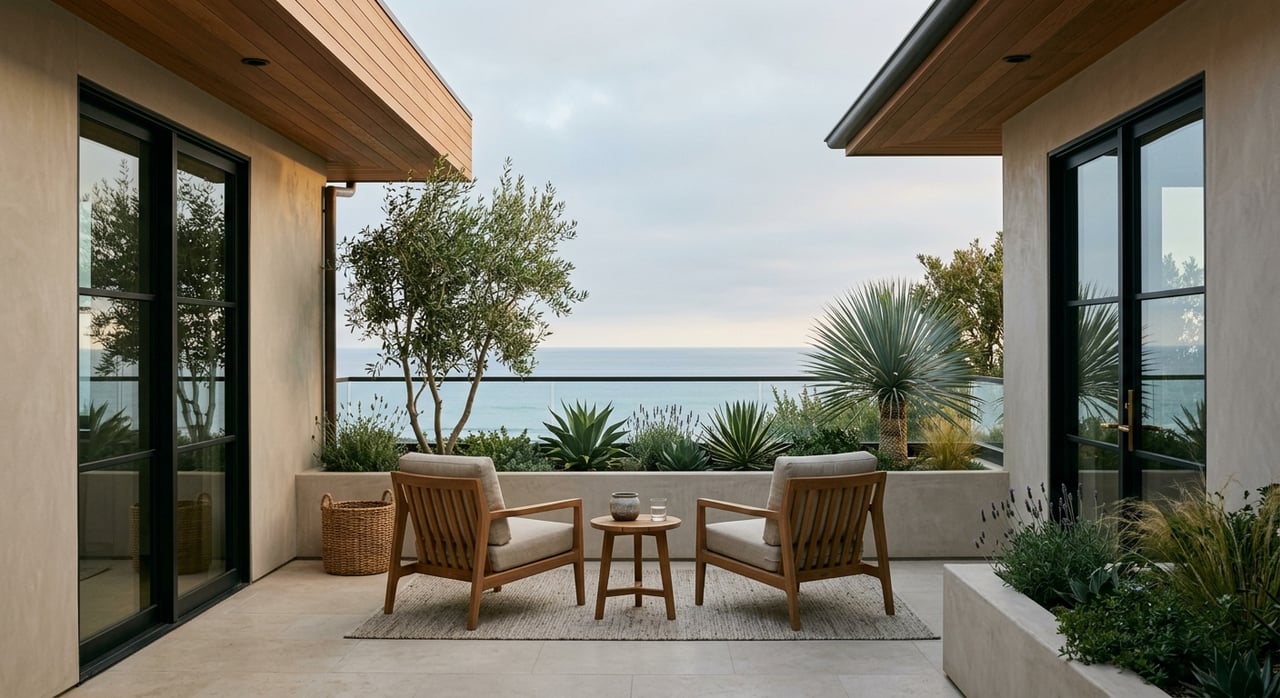
Dreaming about waking up to a blue-water horizon in Dana Point? It is easy to fall for the view, but buying an ocean-view home here takes more than a quick emotional decision. If you want the right mix of lifestyle, long-term value, and fewer surprises, it helps to know how Dana Point’s micro-markets, coastal rules, and day-to-day logistics really work. Let’s dive in.
Dana Point views vary more than many buyers expect
Dana Point does not have one simple ocean-view price point. Over the three months ending May 2026, the city recorded a median sale price of about $2.0 million, but neighborhood pricing shows a much wider spread. Lantern Village was about $1.89 million, while Monarch Beach was about $4.2 million.
That difference matters because an “ocean-view home” can mean very different things in Dana Point. You may be looking at a condo with a peek at the water, a harbor-facing property, a bluff-top home, or a resort-adjacent residence. In practice, the exact view, the property type, and the micro-location can affect value just as much as the Dana Point address itself.
Compare Lantern District and Monarch Beach
Lantern District offers a walkable setting
If you want to be close to shops, dining, and a more active daily rhythm, the Lantern District is often the first place buyers explore. Dana Point’s Town Center planning describes it as a pedestrian-friendly revitalization area centered on shopping, dining, entertainment, public art, and a stronger downtown identity.
For many buyers, that creates a village-like feel that is hard to replicate in other coastal areas. You may trade some privacy or lot size for convenience and energy. If your ideal day includes walking to coffee, dinner, parks, or harbor-adjacent activities, this area may line up well with your goals.
Monarch Beach leans resort-oriented
Monarch Beach offers a different experience. Dana Point’s General Plan ties this area to the Monarch Beach Resort Specific Plan, which includes a five-star resort hotel, single-family residential units, and a golf course.
City business resources also highlight the Ritz-Carlton, Waldorf Astoria, Monarch Beach Resort, and Monarch Beach Golf Links. For you, that often translates into a more resort- and golf-oriented coastal setting with a higher pricing tier. If you are drawn to polished surroundings, larger luxury offerings, and a more tucked-away feel, Monarch Beach may be the better fit.
Know what kind of view you are buying
Not all views perform the same in the market or in daily life. In Dana Point, some homes face open ocean, some look toward the harbor, and others benefit from coastal open-space or resort-area outlooks.
Before you move forward, define the view in practical terms. Ask whether you are paying for a full panoramic ocean view, a partial view, a harbor view, or a location that simply feels coastal. That clarity helps you compare homes more accurately and avoid overpaying for a label that does not match your expectations.
Private views are not automatically protected
This is one of the most important things to understand before buying. Dana Point protects public views from public lands, but the city does not regulate or protect private views in the same way.
That means a beautiful ocean view may add major value, but it is not always guaranteed forever. If the view is a deciding factor for you, it is wise to review nearby development context, current lot relationships, and any known planning history before you assume the outlook will remain unchanged.
Coastal permits can shape your options
Coastal Zone rules matter
About half of Dana Point lies within the California Coastal Zone, and the city uses a Local Coastal Program to govern coastal development permits and related regulations. If the property you want is in the Coastal Zone, future changes may involve a more detailed approval process.
For buyers, this becomes especially important when you are planning a remodel, addition, deck update, or major exterior changes. A home that looks perfect today may still come with limitations on what you can do next.
Permit history deserves close review
For bluff-top properties, Beach Road properties, and other coastal locations, Dana Point says a Coastal Development Permit is typically required for development. Projects may also need view-impact studies, setback review, and other local approvals.
That is why permit history matters so much. Before you assume a home can be expanded or reworked easily, review prior approvals, recorded conditions, and any existing limitations tied to the property.
Hazard due diligence is part of coastal buying
Ocean-view ownership in Dana Point comes with real planning considerations. The city’s Local Hazard Mitigation Plan identifies coastal bluff erosion, landslides, sea-level rise, flooding, and tsunami exposure as local issues.
The plan specifically notes susceptibility in areas such as the Capistrano Beach bluff, Monarch Beach, and the Headlands. It also flags drainage concerns in hillside neighborhoods. For you, that means geotechnical review, drainage history, and insurance questions should be standard parts of the buying process, not last-minute concerns.
Daily lifestyle depends on access and traffic
A beautiful view is only part of the ownership experience. How easy the area feels on a Tuesday morning or a summer weekend can shape your satisfaction just as much as the home itself.
Dana Point offers several transportation options for a coastal town of its size. The city says the Dana Point Trolley runs daily in the summer, is free, and connects beaches, parks, and shopping areas. The city also points residents and visitors to OCTA bus routes serving Dana Point Harbor and to the nearby San Juan Capistrano Metrolink Station for regional rail access.
Harbor access comes with trade-offs
If you love the idea of being near Dana Point Harbor, it is smart to look beyond the postcard version of the lifestyle. The harbor offers specialty shopping, fishing and whale watching excursions, kayaking, Catalina transportation, restaurants, and more than 2,500 boats across two marinas.
That appeal is exactly why the area sees more visitor activity than a purely residential inland pocket. If you buy near the harbor or in a harbor-walkable area, you should factor in visitor traffic, parking patterns, and busy seasons as part of the ownership equation.
Harbor revitalization affects nearby living
As of June 2026, the harbor’s official construction updates say Phase 3 landside demolition for the Commercial Core has begun. Parking flow has been updated, while public boardwalk and dock access remain open.
If you are considering a harbor-view or harbor-adjacent home, take time to understand how temporary construction and circulation changes may affect your routine. For some buyers, that is a manageable short-term trade. For others, it may change which part of Dana Point feels most comfortable.
Beach access adds value and congestion
Dana Point’s recreation network is a major part of why buyers are drawn here. The city identifies beaches including Salt Creek, Monarch Beach, Dana Strand, Baby Beach, Doheny, Poche, and Capistrano County Beach. The Headlands trail system adds about three miles of public trails, scenic overlooks, and beach and coastal access connecting the Headlands, harbor, and ocean.
That access adds daily lifestyle value, especially if you want outdoor time close to home. At the same time, Dana Point is known for seven miles of coastal bluffs and scenic rolling hills, and Doheny State Park alone draws more than 2 million visitors annually. Seasonal congestion is simply part of the package in some locations.
A smart Dana Point buyer checklist
Before you write an offer on an ocean-view home, keep your evaluation grounded in the details that affect real ownership.
- Define the exact view. Is it open ocean, harbor, or open-space oriented?
- Confirm Coastal Zone status. Ask whether the property is in the Coastal Zone, on a bluff, or subject to Beach Road or other coastal permit rules.
- Review permit history. Look at prior approvals, recorded conditions, and any development limits.
- Check ownership costs. Review CC&Rs, HOA dues, special assessments, rental restrictions, parking rules, and amenity limits if applicable.
- Study hazard and drainage history. Pay close attention to slope stability, erosion exposure, and insurance considerations.
- Test the routine. Consider how construction, beach traffic, parking, and visitor volume may affect your day-to-day life.
- Compare lifestyle fit. Think carefully about whether you prefer the walkable Lantern District feel or the more resort-oriented Monarch Beach setting.
Why local guidance matters in Dana Point
Buying an ocean-view home in Dana Point is not just about finding a pretty property online. It is about understanding what you are really buying, what could affect the view, and how the location will function for you over time.
That is where patient, detailed guidance can make a real difference. When you work with someone who understands Orange County’s coastal markets, you can weigh pricing, permits, lifestyle fit, and due diligence with more confidence. If you are considering an ocean-view purchase in Dana Point, connect with Judith Garby for personalized guidance tailored to your goals.
FAQs
What should you check before buying an ocean-view home in Dana Point?
- Focus on the exact view type, Coastal Zone status, permit history, hazard disclosures, drainage history, insurance options, HOA rules if applicable, and how traffic or harbor activity may affect daily life.
How much does an ocean-view home in Dana Point cost?
- Pricing varies widely by micro-location and property type. Over the three months ending May 2026, Dana Point’s median sale price was about $2.0 million, with Lantern Village around $1.89 million and Monarch Beach around $4.2 million.
What is the difference between Lantern District and Monarch Beach in Dana Point?
- The Lantern District is more walkable and centered around shopping, dining, entertainment, and downtown activity, while Monarch Beach is more closely tied to a resort, golf, and higher-end coastal setting.
Are private ocean views protected in Dana Point?
- Dana Point protects public views from public lands, but private views are not protected the same way, so buyers should not assume a current view is guaranteed long term.
Do Dana Point ocean-view homes need special permits for remodeling?
- Many coastal properties may be affected by Coastal Zone rules, and bluff-top, Beach Road, and other coastal locations typically require a Coastal Development Permit for development, along with possible setback review or view-impact studies.
Are there environmental risks to consider with ocean-view homes in Dana Point?
- Yes. Dana Point’s hazard planning identifies issues such as coastal bluff erosion, landslides, sea-level rise, flooding, tsunami exposure, and drainage concerns in some hillside areas.