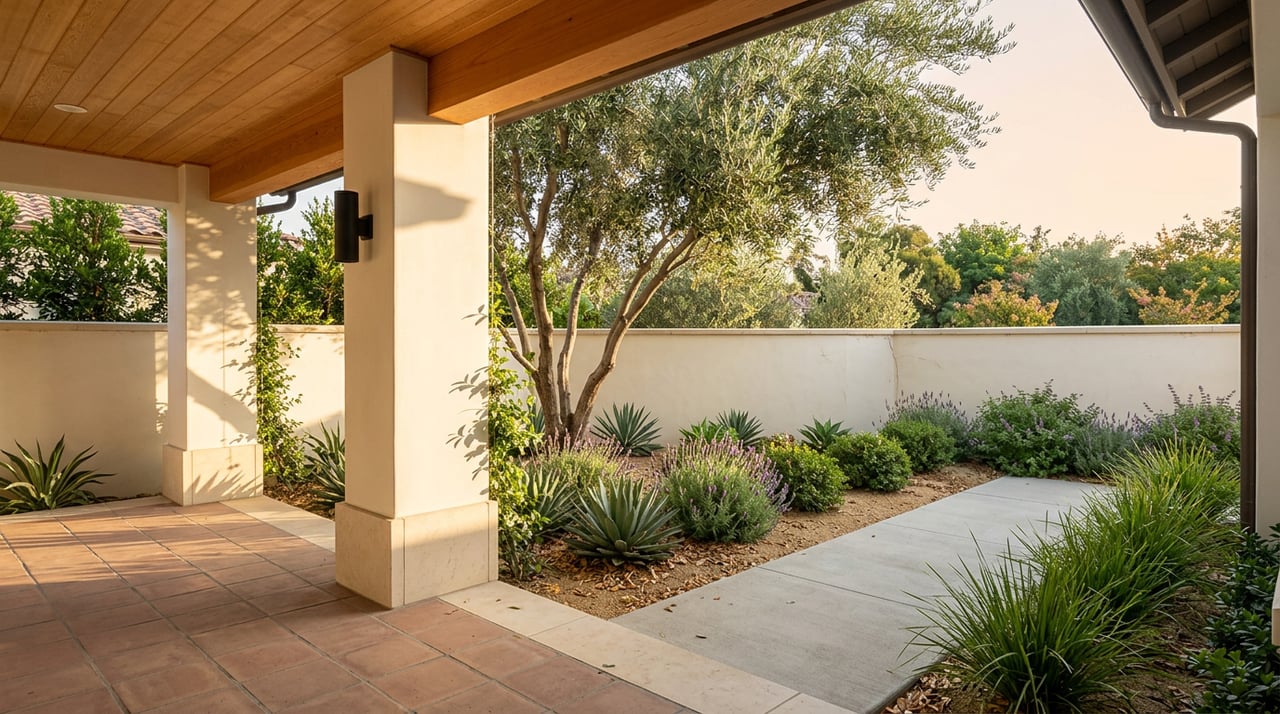
Thinking about selling your Corona Del Mar home but wondering if leasing could be smarter right now? You are not alone. In a walkable, coastal micro‑market where lifestyle drives value, the right choice depends on timing, numbers, and rules that directly affect your options. In this guide, you will get a simple, practical framework tailored to CdM so you can compare selling now against leasing, including bridge strategies, financial models, and key legal checks. Let’s dive in.
Why CdM is different
Corona Del Mar is a small, luxury micro‑market inside Newport Beach. Limited inventory and diverse property types mean comps are imperfect and a few high‑value sales can move the median. Buyers and renters here pay premiums for walkability, beach access, views, and proximity to dining and shops.
Seasonality matters. Short‑term rental demand often peaks in spring and summer and around holidays. Long‑term luxury leases can be steadier, yet turnover and interest often rise in late spring and summer.
Local rules and community standards are a real factor. City rules and HOA or CC&R restrictions can limit or prohibit short‑term rentals, and state tenant protections can shape how you structure any lease. Treat these as first‑order checks, not afterthoughts.
Sell vs lease: a simple framework
Gather local inputs
Collect realistic, CdM‑specific numbers before deciding:
- Current sale price estimate and time to sell.
- Selling costs, including commission and closing.
- Mortgage payoff and any prepayment costs.
- Market rent for your property type, furnished or unfurnished.
- Vacancy assumptions, including seasonality for short‑term rentals.
- Operating costs: property tax, insurance, HOA, utilities, routine maintenance, and reserves.
- Management fees: long‑term commonly about 6–12 percent of rent; short‑term often 20–35 percent including cleaning and platform costs.
- Annual reserves or CapEx: plan about 1–3 percent of value for high‑end coastal homes.
- Your tax profile and plans: income tax on rental income, potential capital gains, and depreciation effects.
- Discount rate and hold horizon: your expected return if you invested sale proceeds elsewhere and the time you plan to hold.
Compare the cash outcomes
Use these building blocks:
Net sale proceeds now
- Sale price minus selling costs, mortgage payoff, and estimated taxes due at sale.
Annual net rental cash flow if you lease
- Gross rent minus vacancy, management fees, operating expenses, and reserves.
- Subtract mortgage payments if you keep your loan.
- Account for income taxes on rental income after depreciation.
Future sale proceeds
- Projected future sale price minus selling costs, mortgage payoff at that time, and taxes at sale, then discount back to today using your opportunity rate.
Compare:
- Option A, sell now: net sale proceeds today.
- Option B, lease then sell: present value of net rental cash flows plus present value of future net sale proceeds.
If Option B’s present value is higher by a margin that compensates you for risk and effort, leasing can be the better path.
Breakeven and risk
A quick check many owners like is the breakeven in months: how long would you need to collect net rental income to “match” selling today and investing the proceeds. Seasonality in CdM can shift this number, especially for short‑term rentals. Be sure your lease term and tenant notices align with when you plan to sell so you can deliver the home vacant when you need to.
Sensitivity check
Test the decision against a few variables:
- Rent level up or down 10–15 percent.
- Vacancy higher during off‑season.
- Appreciation at different rates for the hold period.
- Higher or lower management and maintenance costs.
- Your discount rate, which reflects your alternative investments and risk tolerance.
A template you can use
Label your variables, then plug in local numbers.
S = expected sale price now
Csell = selling costs
Mortgage = current payoff balance
TaxNow = estimated capital gains and other taxes at sale
NetSale = S − Csell − Mortgage − TaxNow
RentMonth = market monthly rent
GrossRent = 12 × RentMonth
Vacancy = VacancyRate × GrossRent
PMfee = PMrate × GrossRent
Expenses = property tax + insurance + HOA + utilities + maintenance + CapExReserve
NOI = GrossRent − Vacancy − PMfee − Expenses
AfterTaxCashFlow = NOI − income tax on rental income (after depreciation)
PV_Rents = sum of AfterTaxCashFlow for each year divided by (1 + r)^t, where r is your discount rate and t is the year
FutureSale = S × (1 + g)^N, where g is appreciation and N is years held
FutureNetSale = FutureSale − future selling costs − mortgage balance at N − taxes at sale
PV_FutureSale = FutureNetSale ÷ (1 + r)^N
Decision: compare NetSale versus PV_Rents + PV_FutureSale.
Hypothetical examples
These examples are for illustration only. Plug in your actual CdM numbers.
Example 1: Lease as a 12‑month bridge
You believe sales pricing will be stronger next summer. You estimate a competitive long‑term rent, allow for a modest vacancy, set management at a rate consistent with local long‑term norms, and budget reserves. After tax, your net annual cash flow is positive. Discount that one year of rents and the next summer’s net sale proceeds back to today.
- If the present value of that combined total is higher than selling now by a meaningful margin, a bridge lease can make sense.
- If not, you may be better off capturing today’s sale price and redeploying capital.
Key practical step: write a lease term that ends before your target sale window, and confirm your notice requirements so you can bring the home to market vacant.
Example 2: Hold as an income property
You are comfortable with a long‑term lease and professional management. You model rent at local long‑term levels and include vacancy, management, taxes, insurance, HOA, utilities you will cover, and a higher coastal reserve. Your implied cap rate on value may look modest, but depreciation could improve after‑tax cash flow.
- If your after‑tax cash flow and the present value of a later sale beat your required return, holding can fit your portfolio.
- If net income barely covers carrying costs or future capital needs look heavy, consider selling into strength instead.
Rules, permits, and taxes to check
City permits and HOA rules
- Short‑term rentals often require permits in Newport Beach and can be restricted or prohibited. Confirm city requirements before assuming STR income.
- Review your CC&Rs and HOA policy for rental caps, minimum lease terms, or owner‑occupancy rules. These can eliminate STRs or force a long‑term lease structure.
Landlord‑tenant rules
- California tenant protections, including the Tenant Protection Act (AB 1482), may limit rent increases and require just cause for eviction for many properties. Certain single‑family homes and condos may be exempt depending on ownership and local law. Verify your property’s status.
- Security deposit limits generally apply under Civil Code 1950.5. Common limits are up to two months’ rent for unfurnished and up to three months for furnished units, subject to current law and exceptions.
- Habitability, disclosures, and notice timelines apply to all residential leases.
Taxes and depreciation
- Primary residence gain exclusion may apply if you owned and used the home as your primary residence for two of the last five years. Renting can affect eligibility depending on timing.
- Rental property is eligible for depreciation, which can reduce taxable rental income. Depreciation is typically recaptured on sale at a higher federal rate category.
- A 1031 exchange can potentially defer taxes when selling investment property, but strict rules apply and primary residences do not qualify.
Consult your CPA or tax attorney to make these elements specific to your situation.
Insurance and operations
- Switch to a landlord policy, since owner‑occupied coverage does not cover rental risks. STRs often require additional coverage and risk controls.
- Expect higher management standards in a luxury coastal rental. Fees are higher, but service and occupancy can improve.
- Budget for coastal wear and tear. Salt air can increase exterior maintenance and systems costs.
When selling makes sense
- Net sale proceeds today exceed the present value of rents plus a future sale by a wide margin.
- You want liquidity for your next purchase or other investments.
- You prefer not to manage tenants or STR guests.
- Upcoming capital expenses or rule limitations make leasing unattractive.
When leasing makes sense
- You believe pricing will be stronger in 6 to 18 months and a bridge lease fits your timeline.
- Long‑term rent plus tax benefits create a return that matches or beats your alternatives.
- You value flexibility, and legal or HOA rules allow your preferred lease structure.
- You have professional management lined up at a cost that still leaves healthy net income.
Your CdM action plan
- Get a pricing opinion for a sale in your target season and a CdM‑specific marketing plan.
- Request a rental analysis for both long‑term and short‑term options, including seasonality and management quotes.
- Confirm city permits and HOA/CC&R rules for leasing, especially STRs.
- Review tax strategy with your CPA, including gain exclusion, depreciation, and 1031 considerations.
- Choose your timeline and write lease terms that align with your sale window and notice requirements.
- Decide on management, screening, deposits, and maintenance standards.
- Prepare the property for market, with professional marketing whether you sell or lease.
- Revisit assumptions every quarter, since CdM seasonality and buyer demand can shift.
Ready to decide?
If you want a calm, numbers‑first conversation tailored to your home and goals, let’s talk. With deep Corona Del Mar and Newport Beach experience, premium marketing, and a finance‑minded approach, Judi will help you compare paths and execute with confidence. Connect with Judith Garby to map your sale‑or‑lease strategy.
FAQs
How does CdM seasonality affect leasing and income?
- Short‑term demand often peaks in spring and summer and around holidays, while long‑term leases can be steadier with more turnover in late spring and summer. Build your rent and vacancy assumptions around these patterns.
Can I do short‑term rentals in Corona Del Mar?
- Short‑term rentals are tightly regulated in many coastal cities and often require permits, and HOA or CC&Rs may prohibit them. Check Newport Beach rules and your association documents before planning STR income.
What is a quick way to compare selling vs leasing?
- Calculate net sale proceeds today, then compare that to the present value of net rental cash flows plus the present value of future net sale proceeds over your hold period. Choose the option that clears your required return by a comfortable margin.
Will renting affect my primary residence capital gains exclusion?
- It can, depending on timing. The exclusion generally requires two years of primary use within the last five years, and renting can change how much of your gain qualifies. Coordinate timing with your CPA.
How long should a bridge lease be in CdM?
- Many owners target a term that ends just before the stronger buyer season, often summer, while leaving time for notice, make‑ready, and marketing. Align the lease end date with your planned sale window and legal notice rules.