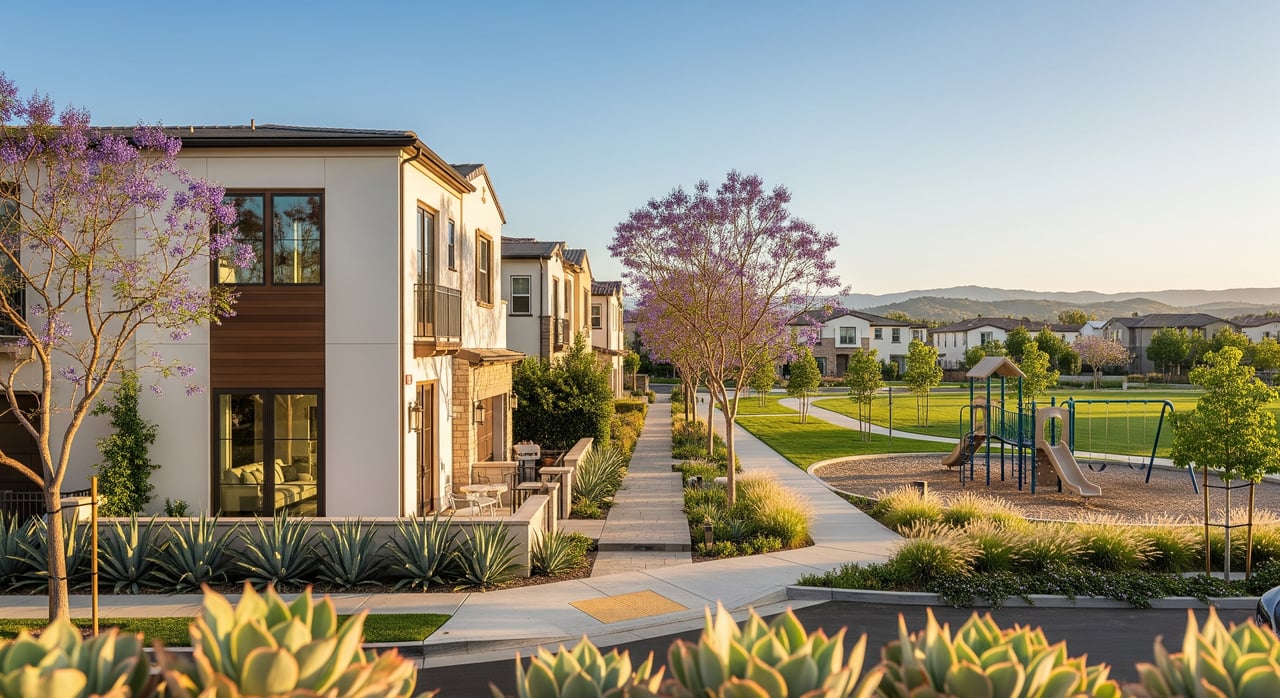
Moving to Irvine with your family and wondering where to start? With dozens of distinct villages, strong public schools, and parks around every corner, the choices can feel overwhelming. You want clear, practical guidance so you can focus your search and decide with confidence. This guide compares Irvine’s standout villages for relocating families using the priorities that matter most to you: schools, parks and trails, commute access, housing style and age, and budget tradeoffs. Let’s dive in.
Why Irvine attracts families
Irvine is a master-planned city designed around villages, each with its own parks, community centers, and neighborhood identity. Most areas are served by the Irvine Unified School District (IUSD), which is widely regarded as a high-performing district. School boundaries vary by address, so you should always confirm assignments for any home you consider.
The city’s planning emphasizes outdoor space. You’ll find playgrounds, pools, lakes, sports fields, and connected trail networks woven into the fabric of most villages. Many neighborhoods also offer community programming and recreation centers that make it easy to meet neighbors and settle in.
Location matters in Irvine. Commute routes to the 405, 5, 73, 133, 241 and 261, proximity to Irvine Spectrum and John Wayne Airport, and access to Irvine Station for rail can vary by village and even by street. As you read, note which areas fit your typical weekly routine.
How to choose your village
Focus your short list with these practical filters:
- School boundaries and proximity to campus. Confirm elementary, middle, and high school assignments for each address through IUSD maps.
- Parks and amenities you will actually use. Lakes, pools, sports fields, and trail access differ by village.
- Housing type and age. Decide if you want a newer floor plan with lower maintenance or an established home with a larger lot.
- Commute routes during peak hours. Test your actual work and school runs at typical times.
- Monthly carrying costs. Factor HOA fees, property tax expectations, and potential Mello-Roos assessments in newer areas.
- Resale and liquidity. Established demand can support steadier resale in some villages.
- Lifestyle fit. Choose between modern, new-construction communities and mature, tree-lined neighborhoods with a well-defined culture.
Pricing and school boundaries change over time. Ask your agent to verify current figures and maps before you rely on them in a decision.
Village snapshots: what to expect
Woodbury
Woodbury offers a master-planned, family-focused setting with parks, pools, and walking trails built into the neighborhood. Homes span detached single-family, townhomes, and condos, primarily from the 1990s to 2000s with moderate yard sizes. It sits in a relatively central location with short drives to the 5 and 405 depending on your subarea. Pricing typically falls in Irvine’s midmarket for comparable homes, often less than the newest Great Park product.
Northwood
Northwood is one of Irvine’s more established villages, known for mature landscaping, pedestrian-friendly streets, and a strong neighborhood identity. Many homes date from the 1970s to the 1990s, and some areas offer larger lots than you’ll find in newer communities. It provides convenient access to major arteries toward the 405, 5, and 133. Detached homes often land in the higher end of Irvine’s midmarket, with premiums for remodeled and move-in-ready properties.
Great Park Neighborhoods
Great Park is among the newest master-planned areas and sits around the Orange County Great Park. You’ll see contemporary floor plans, neighborhood parks, town squares, and adjacency to a major sports complex and community amenities. Access to the 5, 241, 133 and 261 is straightforward, though some sections are farther from the 405. Prices often track in the mid to upper-mid range for Irvine, reflecting new construction, amenities, and associated HOA structures.
Woodbridge
Built around two man-made lakes, Woodbridge blends central Irvine access with a distinctive amenity set. Families appreciate the swim clubs, beaches, playgrounds, tennis courts, and frequent community activities. Housing includes 1970s to 1990s single-family homes and townhomes with many family-friendly floor plans. Steady demand supports a broad range of options, from more affordable attached homes to higher-priced detached homes on larger lots.
Turtle Rock, Turtle Ridge, and University-area
These established neighborhoods sit near preserved open space such as Bommer Canyon, with trail access and scenic surroundings in several sections. Housing is largely 1970s to 1990s, with a mix of custom and updated homes and a variety of lot sizes by micro-neighborhood. You’ll have convenient routes to UCI and central Irvine, and access to the 73 varies by address. Pricing spans mid to upper-mid for Irvine, with premiums for canyon views and larger parcels.
Quail Hill and Portola Springs
Quail Hill offers a southwest/central location with access to a regional preserve and robust trail network. Portola Springs is a newer, planned community to the east with modern layouts, parks, and community centers. Both areas provide a mix of townhomes and detached single-family homes, primarily from the 2000s to 2010s. Prices generally range from midmarket to upper-mid, depending on size, condition, and exact subarea.
Orchard Hills and Shady Canyon
These are higher-end enclaves on Irvine’s edges, selected by buyers who value privacy, space, and premium amenities. Orchard Hills features newer luxury developments with neighborhood parks and canyon views, while Shady Canyon is an exclusive gated community with custom estates and private club amenities. Drives to central business parks are longer from here, and many residents use the toll roads for regional commutes. Expect pricing at the top of the Irvine market.
Westpark, University Park, and Central Irvine
If you want central access to schools, services, and retail, start here. These planned communities offer parks and pools, plus a mix of condos, townhomes, and single-family homes from the 1980s through the 2000s. Commute times can be efficient to multiple parts of the city thanks to proximity to major arterials and the 405 and 5. Pricing spans a wide range, with attached homes offering more accessible entry points and detached homes landing in the midmarket.
Tradeoffs to weigh
- School alignment vs. commute. Boundaries that match your preferred campus may increase travel time to work or services.
- Lot size vs. cost and upkeep. Larger lots in established areas can be appealing, but they require more maintenance and typically higher purchase prices.
- New construction vs. established neighborhoods. Newer homes offer modern finishes and warranties, while older areas feature mature trees and long-standing community culture.
- HOA amenities vs. monthly budget. More pools, landscaping, and community programs typically mean higher dues; decide what you will truly use.
- Open space access vs. central convenience. Neighborhoods next to preserves and canyons deliver recreation benefits, though some are farther from job centers.
- Privacy vs. proximity to services. Gated enclaves offer privacy and space, while central villages trade seclusion for easy access to shopping and transit.
Your decision checklist
Use this shortlist to compare addresses within your top villages:
- Confirm exact IUSD school assignments for the property and review the most recent school information from trusted sources.
- Pull recent comparable sales in the same micro-neighborhood from the last 6 months to gauge pricing and time on market.
- Review HOA details: monthly dues, included services, pet and rental rules, and any planned special assessments.
- Evaluate lot orientation and backyard usability for play space, gardening, or a future pool.
- Test commute times during peak hours to your real destinations, including work, daycare, and school.
- Check city planning documents to understand nearby development that might affect traffic, noise, or future amenities.
- Verify property tax expectations and any Mello-Roos assessments, which are common in newer master-planned areas.
- Consider school walkability and safe routes, including crossings and traffic levels at drop-off times.
- Map access to preschools, daycare, pediatric services, and recreation programs you plan to use.
Next steps
Relocating to Irvine is easier when you have a calm, knowledgeable guide. If you want help narrowing your short list, I’ll walk you through school boundaries, HOA structures, recent comps, and commute checks for the addresses you’re considering. With a background in finance and a high-touch approach, I focus on clear information and steady advocacy so you can choose with confidence. When you’re ready to start, reach out to Judith Garby for a thoughtful, data-informed consultation.
FAQs
Which Irvine villages are closest to major parks and sports facilities?
- Great Park Neighborhoods sit around the Orange County Great Park, and Quail Hill and Turtle Rock provide convenient access to preserved open space and trail systems.
How do school boundaries work in Irvine for homebuyers?
- Most villages are served by IUSD, but assignments vary by address, so you should confirm elementary, middle, and high school boundaries for every property you consider.
Where in Irvine can I find larger lots without ultra-luxury prices?
- Parts of Northwood and some established central areas often offer larger lots compared to newer villages, while staying below the pricing found in elite enclaves.
Are HOA dues higher in newer Irvine communities?
- Newer master-planned neighborhoods often have structured HOA fees for extensive amenities, so include HOA, property taxes, and any Mello-Roos assessments in your monthly budget.
What are the best areas for a short commute to Irvine Spectrum or the airport?
- Central and southwest villages with efficient access to major arterials, including sections of Westpark, Woodbury, and areas near key corridors, often reduce drive times; always test from the specific address at peak hours.
Should I choose a new-construction home or an older home in Irvine?
- Newer homes deliver modern floor plans and warranties, while established neighborhoods offer mature trees, larger lots in places, and a well-defined community feel; pick based on your priorities and maintenance preferences.