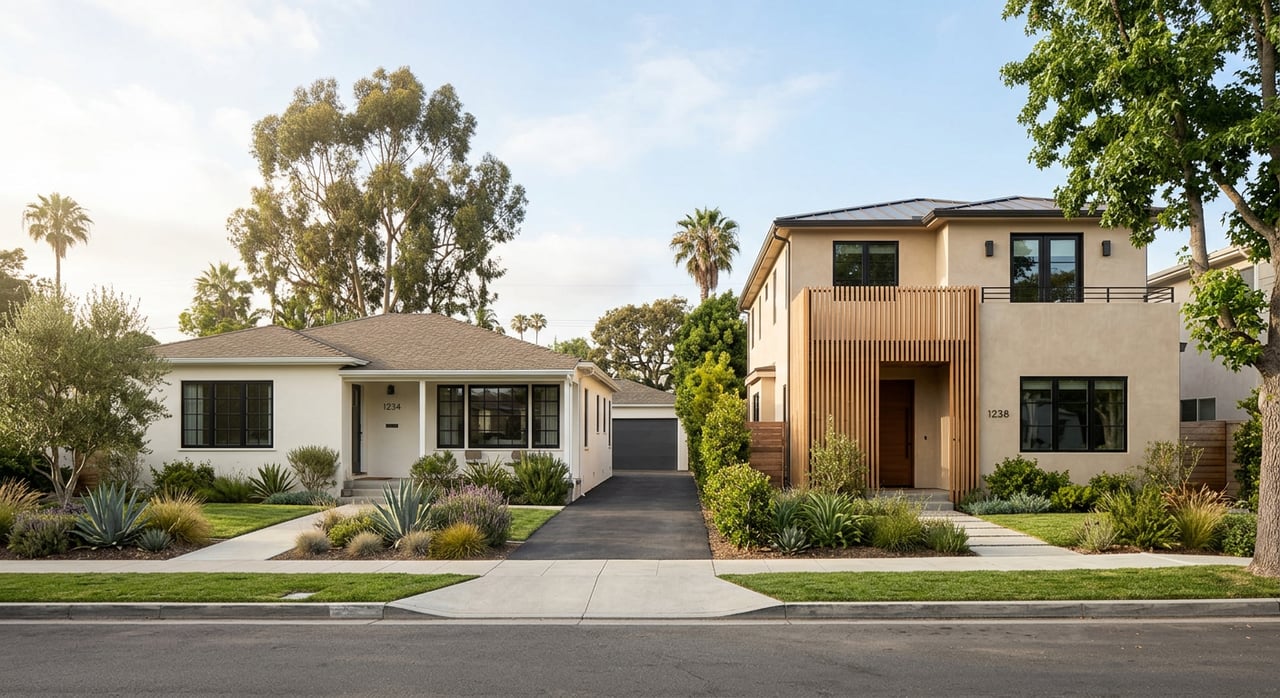
Choosing between Costa Mesa’s Eastside and Westside is not just about a map. It is about the kind of streets you want to live on, what you value day to day, and how you see the market evolving over the next few years. If you want close Newport Beach proximity without paying Newport’s full premium, or you want a larger lot and quieter streets, each area offers a different path. In this guide, you will compare homes, prices, lifestyle and policy changes that could shape future value. Let’s dive in.
Quick take: Eastside vs Westside vs Metro
- Eastside Costa Mesa: Close to the Newport Beach border with a mix of renovated bungalows, townhomes and higher‑end rebuilds. Strong remodel activity and proximity to 17th Street drive pricing. City planning materials describe this residential district and its character.
- Westside Costa Mesa: A wider mix of single‑family, townhomes and multifamily across different eras. Pockets closer to Fairview Park and the Back Bay can command premiums. Golf, trails and open space are nearby. The district’s variety creates a broader range of entry points.
- Mesa Verde: Recognized as its own residential district. Mid‑century tracts, cul‑de‑sacs and larger lots are common, with lower net density and streets near Mesa Verde Country Club often featuring larger homes.
- South Coast Metro (Central/North Costa Mesa): The mixed‑use urban core around South Coast Plaza and the Segerstrom arts campus, with condos, townhomes and higher‑density living. For an overview of this regional district and boundaries, see South Coast Metro.
All district labels above follow the City of Costa Mesa planning framework and commonly used local terminology. Boundary lines can vary slightly between data providers, so use city maps for precise definitions.
Home types by area
Eastside housing
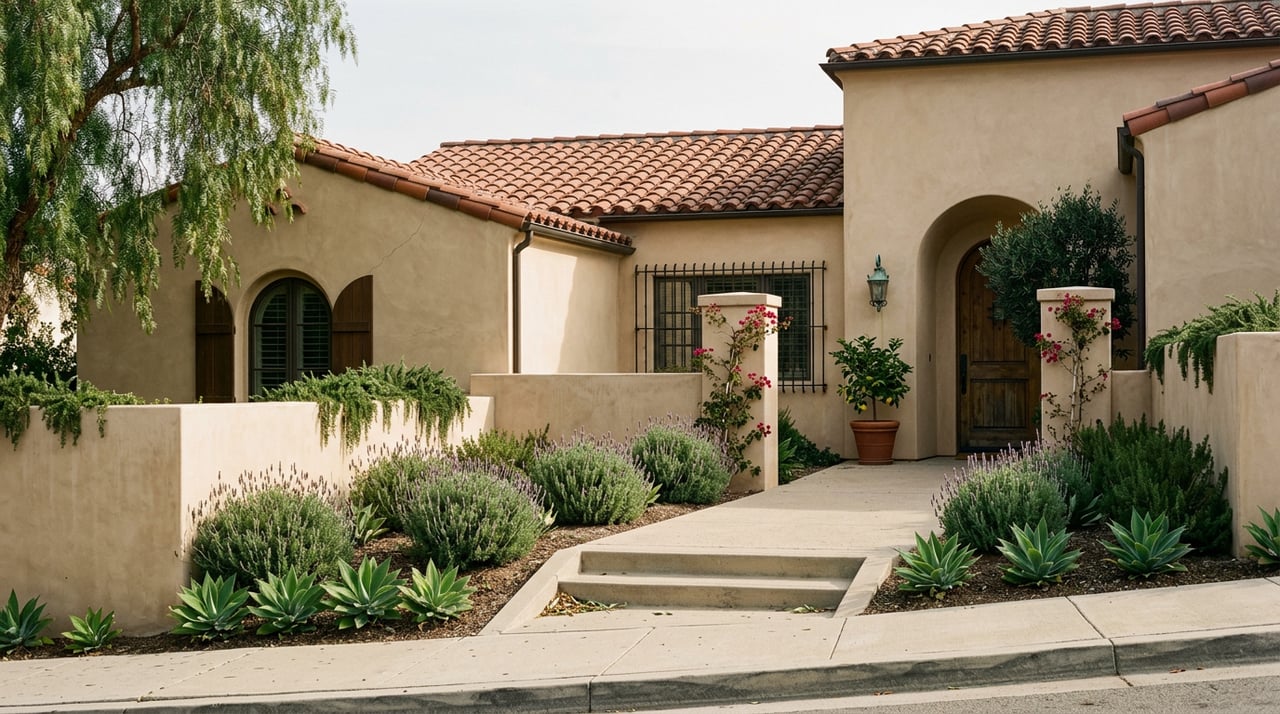
On the Eastside, you will see many original mid‑century bungalows and ranch homes on small to medium lots, plus townhomes and newer replacement builds. Infill tear‑down and rebuild projects are common on lots that can support larger footprints, resulting in a mix of cozy original homes and high‑end modern or Mediterranean styles. The retail and dining along 17th Street anchors daily convenience, and the Newport Beach border enhances appeal for buyers who want coastal access without Newport’s average price point. City documents describe the area’s residential focus and evolving character in the General Plan EIR.
Westside housing
Westside neighborhoods span multiple eras, from post‑war single‑family tracts to duplexes and apartments. Product and price vary block to block, often influenced by proximity to Fairview Park, the Back Bay and coastal nodes. The Costa Mesa Golf Course is a local anchor, and outdoor access is a frequent draw. Variety here often translates into more options at different budget levels, especially compared with the Eastside and Mesa Verde.
Mesa Verde housing
Mesa Verde is known for mid‑century tract homes, larger lots and a recognizable street pattern with many cul‑de‑sacs. Areas near the country club tend to feature larger homes and lower density compared with parcels closer to Harbor Boulevard and the 405. If you want more yard space and a quieter internal street feel, this district regularly delivers that experience.
South Coast Metro housing
South Coast Metro functions as Costa Mesa’s urban center, with higher‑density condos, gated townhome enclaves and mixed‑use buildings around South Coast Plaza and the Segerstrom Center for the Arts. If you value walkable retail and cultural amenities, this is the pocket where you will find the most urban residential product in Costa Mesa. For a regional context, see the South Coast Metro overview.
Prices and value today
Market numbers move month to month, but recent snapshots help you benchmark each area:
- Costa Mesa citywide: Zillow’s index shows an average home value around $1.35 million as of Jan 31, 2026 (ZHVI city benchmark).
- Eastside Costa Mesa: Redfin reported a $2,212,500 median sale price in Feb 2026, with a median around $1,090 per square foot. Eastside sits near the top of Costa Mesa pricing due to location and the active remodel pipeline.
- Mesa Verde: Redfin listed a median near $2.05 million in Jan 2026, with upward momentum in recent $/sqft reports.
- Westside: Redfin and other snapshots show typical medians in the $1.25 million to $1.6 million range, depending on the sub‑area and reporting month.
- Newport Beach comparison: Redfin reported a citywide median around $3.55 million in Feb 2026. Some Eastside and Mesa Verde homes approach the lower end of Newport pricing for similar bedroom and lot combinations.
- Rents: Zillow’s observed rent index shows Costa Mesa asking rents around $3,088 to $3,104 in Jan–Feb 2026, with Newport Beach higher at roughly $4,075.
Use neighborhood figures as directional benchmarks only. Neighborhood medians can swing on low monthly sales counts. For street‑level accuracy, you will want a fresh MLS comp set before you make or accept an offer.
Lifestyle and access
- Shopping and arts: South Coast Plaza and the Segerstrom campus are major anchors for dining, luxury retail and performances. That gravity supports walkable, higher‑density living in the nearby residential pockets. Plan a visit using the South Coast Plaza guide.
- Parks and trails: Fairview Park and the Back Bay trails, along with the Santa Ana River Trail, add outdoor access on the Westside and Mesa Verde. City materials also highlight future connectivity concepts to regional trails in North Costa Mesa.
- Commuting: I‑405, SR‑55 and SR‑73 frame the city, and John Wayne Airport (SNA) sits nearby. North Costa Mesa and South Coast Metro also host significant office and retail employment, which helps local demand for nearby condos and townhomes.
What is changing next
Housing Element and Measure K
Costa Mesa’s 2021–2029 Housing Element assigns the city a Regional Housing Needs Allocation of 11,760 units during this period and requires the city to identify and rezone sites to accommodate that number. In Nov 2022, voters passed Measure K, which allows the city to process identified rezones along specific commercial and industrial corridors without triggering a citywide popular vote. Together, these policies set the stage for denser housing options, especially north of the 405 and in selected corridors. You can review the city’s program on the Housing Element update page.
What this means for you: land values near targeted corridors can move in anticipation of rezoning, but approvals take time. For the largest proposals, expect multi‑year timelines and evolving site plans as traffic, parking and environmental considerations are addressed.
One Metro West and the northern cluster
One of the largest proposals is One Metro West at 1683 Sunflower Avenue. The mixed‑use plan covers about 15.2 acres and envisions up to about 1,057 residential units, plus office and retail space. If built, it would add meaningful apartment supply to North Costa Mesa and the South Coast Metro area. Follow city updates on the One Metro West page.
Other large‑format concepts in the northern cluster have shifted over time, reflecting changing site control and market conditions. The common thread is that this area is where you should watch for substantial multifamily supply that could influence rents and sales dynamics over the medium term.
Operating rules buyers and investors should know
- Short‑term rentals: Costa Mesa’s ordinance effectively prohibits whole‑home stays of fewer than 30 days in residential zones. If you are evaluating a short‑term strategy, read the city’s Short‑Term Rental FAQ and confirm any HOA rules for a specific property.
- Tenant protections: Costa Mesa adopted a Just‑Cause Residential Tenant Protections urgency ordinance in Nov 2023. It aligns with statewide protections and adds local notice, reporting and relocation assistance requirements for qualifying no‑fault evictions. Review the city’s Tenant Protections page and budget for compliance if you plan renovations or a change of use.
- Annual rent increases: Local rules align with California’s Tenant Protection Act framework. Check the latest ordinance text for the applicable caps and exceptions before you underwrite growth.
Which area fits your goals
Use these quick profiles to narrow your short list:
You want proximity to Newport Beach
- Consider Eastside for renovated single‑family options and newer rebuilds near the border. Expect premium pricing relative to city averages.
You want a larger lot and quieter internal streets
- Mesa Verde offers mid‑century tracts, cul‑de‑sacs and lower net density, with many homes on larger parcels.
You want the broadest set of entry points
- Westside spans multiple product types and eras, often at lower medians than Eastside or Mesa Verde, with quick access to Fairview Park and trails.
You want walkable retail and cultural access
- South Coast Metro places you close to South Coast Plaza and the Segerstrom campus with condos and townhomes that fit an urban lifestyle within Costa Mesa.
You are investing and care about policy‑driven upside
- Watch the northern corridors and Measure K rezones for denser projects that could reshape supply. In smaller buildings, long‑term strategies like quality renovations and legal ADUs where permitted can be attractive. Short‑term rentals are not a viable strategy in most residential zones under current rules.
Smart next steps
- Tour at different times. Walk the pocket you like on weekdays and weekends to get a true feel for activity, noise and traffic.
- Pull a fresh comp set. Neighborhood medians swing on low sample sizes. Ask for street‑level MLS comps for the specific block and lot size you want.
- Verify rules property by property. Confirm HOA and CC&Rs, the status of any city rezones near the parcel, and local operating rules that apply to your plan.
- Model pricing and timelines carefully. If you are banking on remodel or redevelopment upside, include permit, holding and approval windows in your math.
When you want a clear, data‑backed path forward, connect with Judith Garby for a tailored search, pricing strategy and on‑the‑ground guidance across Costa Mesa and neighboring coastal markets.
FAQs
What defines Eastside and Westside Costa Mesa boundaries?
- The City’s planning documents outline district‑level definitions and character for Eastside, Westside and Mesa Verde; start with the General Plan EIR and confirm boundaries for your specific search.
How expensive is Eastside Costa Mesa right now?
- Recent Redfin data (Feb 2026) show a median sale price of about $2,212,500 on the Eastside, with roughly $1,090 per square foot; always re‑pull the latest MLS numbers before you write an offer.
What should investors know about Costa Mesa short‑term rentals?
- Whole‑home stays under 30 days are effectively prohibited in residential zones under the city’s ordinance; review the Short‑Term Rental FAQ and any HOA rules for a specific property.
What is South Coast Metro and where is it?
- South Coast Metro is the mixed‑use district around South Coast Plaza and the Segerstrom arts campus that straddles city lines; see the regional context on South Coast Metro.
Which projects could add the most new housing supply?
- One Metro West near Sunflower Avenue proposes about 1,057 units and is a key project to watch; track city updates on the One Metro West page and the broader Housing Element program.
How do Costa Mesa prices compare with Newport Beach?
- Redfin reported Newport Beach’s median around $3.55 million in Feb 2026, which is materially higher than Costa Mesa overall, though parts of Eastside and Mesa Verde approach the lower end of Newport pricing for similar homes.